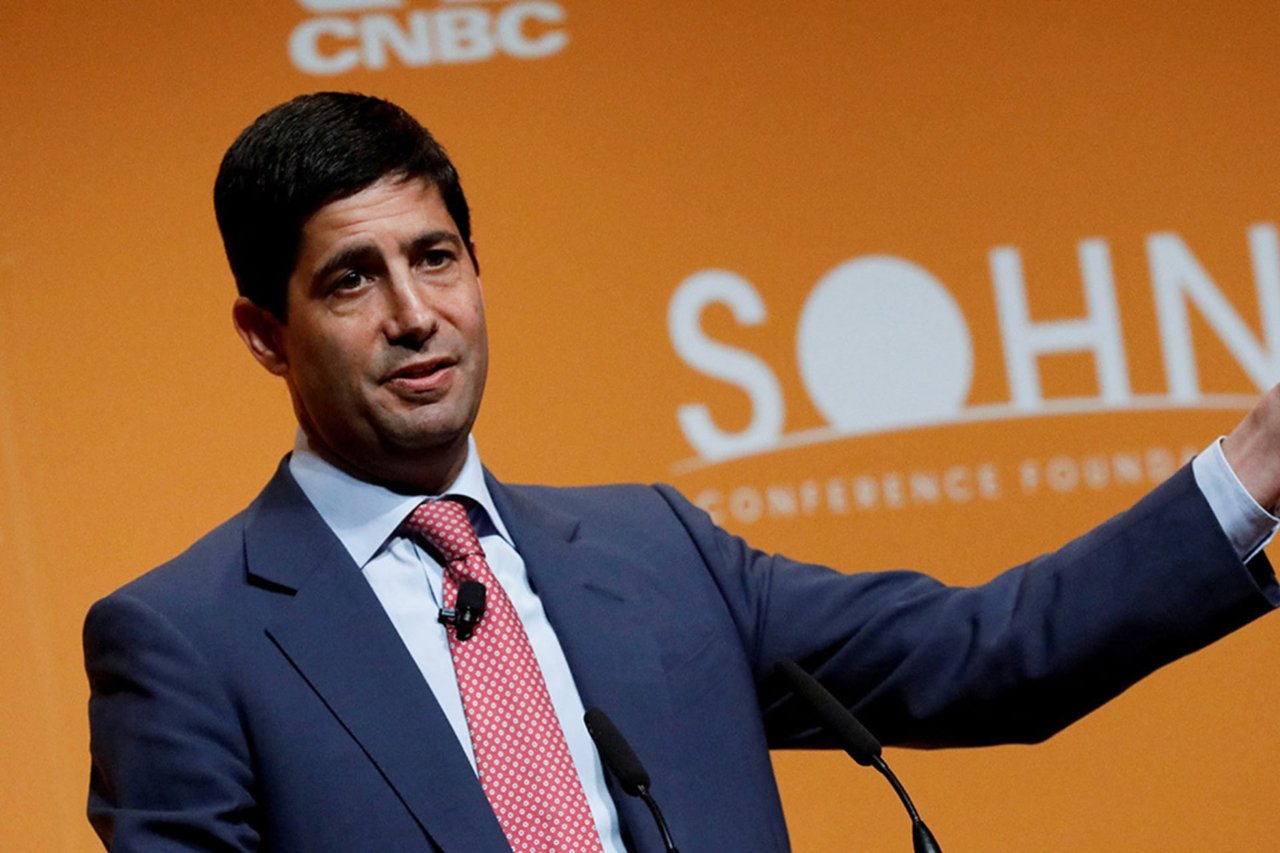
Kevin Warsh, Donald Trump’s nominee for Federal Reserve chair, is viewed by economists as a cautious but stabilizing choice: a market‑savvy former Fed governor with conservative instincts, a non‑economist’s perspective, and an uncertain policy path that could reshape how the central bank approaches interest rates and its massive balance sheet.
Key Points for Your Newsletter
1. A Lawyer, Not an Economist
-
Warsh, like current chair Jerome Powell, holds a J.D. rather than a Ph.D. in economics.
-
Experts note this could influence how he interprets data and interacts with the Fed’s Ph.D.-heavy staff culture.
-
Some economists expect he may challenge internal norms, while others believe he’ll adapt as Powell did.
2. A Conservative, Market‑Comforting Pick
-
Warsh previously served on the Fed Board of Governors (2006–2011) and played a key role during the 2008 financial crisis, acting as a bridge between the Fed and financial markets.
-
His background—Hoover Institution fellow, former White House economic adviser—signals a traditional, stability‑oriented choice rather than a political disruptor.
-
Analysts say his nomination likely reassures investors and aligns with Trump’s desire for a familiar, market‑friendly figure.
3. His Policy Direction Is Uncertain
-
Historically, Warsh has been hawkish on interest rates, wary of cutting too quickly.
-
Recently, however, he argued that the Fed should lower rates and criticized its handling of inflation.
-
He consistently opposes quantitative easing, suggesting he may push to shrink the Fed’s $6.5 trillion+ balance sheet—a move with unpredictable economic effects if paired with rate cuts.
-
Economists emphasize he won’t act alone: the broader Fed committee will shape outcomes.
Why This Matters
Warsh’s mix of legal training, crisis‑era experience, and shifting policy views makes him a consequential pick at a moment when the Fed faces pressure to balance inflation control, market stability, and political scrutiny. His leadership could subtly—but significantly—reshape the institution’s culture and strategy.